7 Technology Grant for Nonprofit Funders in 2026
Oct 17, 2026 · 11 min read
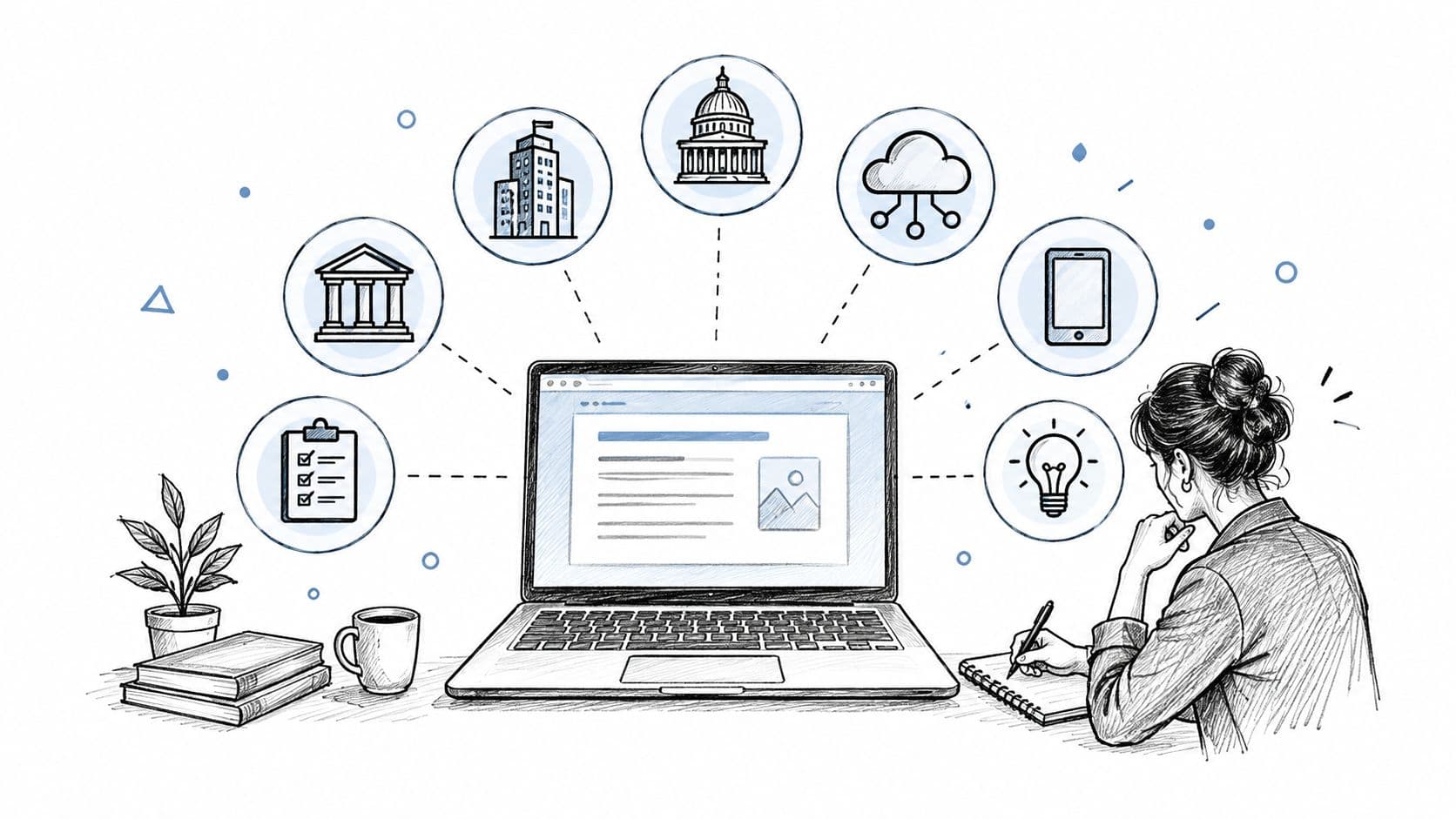
A development director has the laptop open, the software need is real, and the funding path still isn't clear. One funder wants a digital equity story, another wants cloud implementation, and a federal program may only cover a narrow slice of the work. That's why a technology grant for nonprofit search has to start with eligibility and timing, not just the tool name. The list below sorts seven options by who can apply, how the award is structured, and how often the window opens, so you can decide where to start this quarter while keeping your outreach grounded in actual demand signals like donor funnel SEO strategies.
Table of Contents
- 1. Google Ad Grants
- 2. AWS IMAGINE Grant
- 3. Cisco Global Impact Cash Grants
- 4. Twilio.org Impact Fund
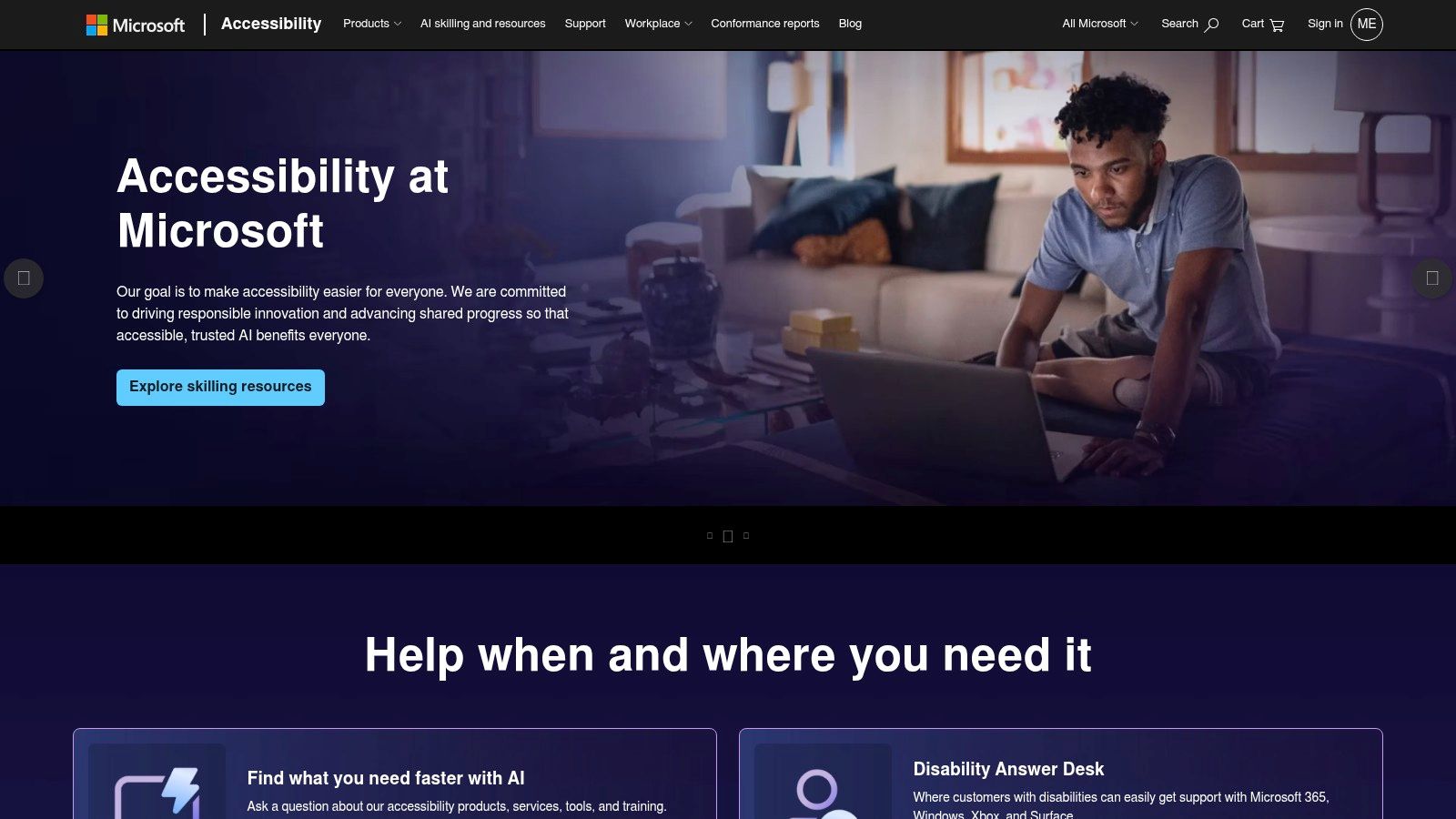
- 5. Microsoft AI for Accessibility
- 6. NEH Digital Humanities Advancement Grants
- 7. HP Digital Equity Accelerator and Future of Work Accelerator
- Top 7 Technology Grants for Nonprofits: Comparison Matrix
- Turning This Shortlist Into a Funding Plan
1. Google Ad Grants
A lot of nonprofits chase Google Ad Grants because the fit feels obvious. The program gives eligible public charities an in-kind search advertising budget, so it can work well when the need is visibility, volunteer recruitment, program traffic, or donation landing pages rather than software procurement. You're not buying a platform here, you're buying reach, and that distinction matters when a board is looking for something that feels tangible.
The go decision is simple if your site is ready and your team can manage search campaigns. The no-go decision is just as clear if nobody on staff can monitor quality, adjust keywords, and keep the account compliant. Use it when you need a renewable awareness channel, not when you need backend systems or a data stack.
Google Ad Grants sits inside Google for Nonprofits and can continue as long as the organization meets program policies. For many small teams, that makes it more like a standing capacity tool than a one-time grant.
Practical rule: Treat this as a marketing operating channel, not a set-it-and-forget-it award.
Best fit and trade-offs
- Go if you need a recurring in-kind media budget and can manage search ads consistently.
- Go if your website can support traffic and conversion without a full rebuild.
- No-go if you need money for staff, software, or infrastructure.
- No-go if you don't have the time or support to maintain campaign quality.
2. AWS IMAGINE Grant
The AWS IMAGINE Grant is a better fit when the project is technical enough that a normal program grant won't cover it cleanly. If you're modernizing a data system, building a pilot around analytics, or testing an AI-enabled workflow, this is one of the few options that combines cash, cloud credits, and implementation support in the same package. That combination matters because many nonprofits underestimate the cost of moving from concept to deployment.
The go case is strongest when the project already depends on AWS services and the organization can explain how the work changes operations or mission delivery. The no-go case is a nonprofit that wants a general technology makeover without a defined cloud architecture, delivery plan, or implementation owner. This is not a replacement for basic IT funding. It's a competitive award for projects that can show a credible path from prototype to use.
Because the program uses an annual application cycle, it rewards teams that can plan ahead and build a detailed submission before the window opens. Prior AWS use isn't required, which helps newer applicants, but the project still has to make technical sense inside AWS.
You need a clear implementation owner before this kind of award is worth chasing.
What makes it workable
- Go if your project needs cloud credits plus cash and technical guidance.
- Go if you can justify modernization, data, or AI work in mission terms.
- No-go if you need unrestricted support or a general operating grant.
- No-go if the team can't commit to an annual-cycle application and a technical build.
3. Cisco Global Impact Cash Grants
Cisco's program belongs on the short list when the project uses technology to extend program reach or efficiency, especially in education, economic opportunity, crisis response, or climate resilience. The strongest applications don't describe equipment in isolation. They describe a service model, a measurable outcome, and a way to replicate the idea in another community or operating context.
This is a go when the technology is part of delivery, not just a line item. It's a no-go when the request is mostly routine hardware, generic software, or overhead that doesn't tie tightly to outcomes. The program also runs through a rolling letter-of-inquiry process, so it fits teams that can respond quickly and keep a clean narrative ready.
The internal lesson is simple. If your project reads like a procurement request, it probably won't move. If it reads like a service expansion with a technology backbone, it has a much better chance of surviving screening.
For broader prospecting strategy, many teams pair this kind of target with a wider funder scan like nonprofit funding sources so they're not relying on one corporate program.
Use cases that tend to fit
- Go if the project expands access, reach, or operational efficiency in a clear program area.
- Go if you can show why the model is replicable or scalable.
- No-go if the request is mostly routine equipment replacement.
- No-go if your narrative can't show measurable community benefit.
4. Twilio.org Impact Fund
Twilio.org is strongest for nonprofits that need communications technology to reach people where they already are. SMS, voice, chat, and WhatsApp are the obvious use cases, but the broader value is wider than messaging. When a nonprofit needs better service delivery, faster follow-up, or a digital channel that fits a dispersed audience, this fund is worth a serious look.
The go decision depends on whether communications are central to the intervention. If the work involves outreach, appointment reminders, crisis response, or direct service access, the fit can be strong. If the request is really about a general website rebuild or office software, it's probably not the right place to start. Current rounds are invitation-based, so the window is less about a public deadline and more about staying on the radar for future opportunities.
A practical advantage is that Twilio separates product access from grant funding. That helps if your organization needs platform support as well as money, but it also means you have to be precise about which support type you're pursuing. If your team can describe the service flow clearly, this can be one of the most mission-aligned options on the list.
Practical rule: Use this only when communications infrastructure is part of service delivery, not a side benefit.
Good fit and weak fit
- Go if SMS, voice, chat, or WhatsApp is core to the program.
- Go if you can connect communications tools to access, continuity, or long-term well-being.
- No-go if you need a public, open application window right now.
- No-go if the request is mainly a generic digital upgrade.
5. Microsoft AI for Accessibility
Microsoft AI for Accessibility is one of the clearest examples of a funder that wants a technology project tied to a specific population outcome. If your nonprofit is building something for people with disabilities, especially around employment, daily life, or communication, this is a serious option. The fit is strongest when the proposal shows accessible design from the start, not accessibility added at the end.
The go case is a project that uses AI to remove a practical barrier for disabled users. The no-go case is a general AI idea that doesn't clearly improve access or inclusion. Because application timing and scope can vary by call, this is the kind of opportunity that benefits from continuous monitoring rather than one-off searching.
AI tools for nonprofits is a useful next step if your team is trying to separate real use cases from buzzwords before applying. That distinction matters here more than most places, because the program is looking for accessibility impact, not just technical novelty.
For teams also tracking platform policy changes, nonprofits navigating new Microsoft terms can help frame the broader technology environment. That context won't win the grant on its own, but it can help you explain why the project matters now.
Where it tends to work
- Go if your project improves access for people with disabilities.
- Go if AI is solving a real functional problem, not just adding a trend.
- No-go if you can't explain the accessibility outcome clearly.
- No-go if your team hasn't thought through data handling and responsible AI.
6. NEH Digital Humanities Advancement Grants
The NEH Digital Humanities Advancement Grants program is the right kind of federal option when a nonprofit cultural organization needs technology funding for humanities work, not just for digital convenience. Museums, libraries, universities, and related nonprofits use it for websites, software, data pipelines, preservation, public engagement, and education projects. That scope makes it a strong fit for organizations that can connect technology directly to cultural access or humanities research.
The go decision starts with the outcome. If the project advances humanities goals, the application has a real foundation. The no-go decision is just as straightforward when the request is mostly a standard IT upgrade with no clear humanities purpose. Federal applications also bring more budget detail, compliance work, and documentation than most private grants, so teams need internal capacity before they start.
The program's published award structure gives applicants room to scale from pilot to implementation, but the matching option adds fundraising complexity. That makes it a better fit for organizations that already have some development discipline and can handle a more formal grant process. For nonprofits used to private foundation language, this is a different rhythm, and it rewards specificity over speed.
If your organization needs a broader view of federal opportunities, federal grants for nonprofits is a useful companion resource.
Why it fits or doesn't
- Go if the technology project clearly supports humanities outcomes.
- Go if you can manage a detailed federal budget and compliance process.
- No-go if the project is only an internal IT refresh.
- No-go if the organization can't support a matching award structure.
7. HP Digital Equity Accelerator and Future of Work Accelerator
HP's accelerator model fits nonprofits that need more than money. If your organization is working on digital inclusion or workforce readiness, the combination of cohort support, cash, and technology donation can be more useful than a standalone grant. That's because many digital equity projects fail on implementation, not concept, and an accelerator is designed to give you structure along with resources.
The go decision is strongest when the project can show a pathway to scale, training, or community access. The no-go decision is clear if the team only wants a grant check and doesn't need cohort support or technical guidance. The open call varies by cohort, so this is one of those opportunities you need to watch over time instead of checking once and moving on.
This type of program also rewards organizations that can communicate outcomes without overclaiming. If you can show how the work strengthens digital access or job readiness, you're speaking the language the program is built for. If you can't connect the project to a measurable community change, the application will feel thin.
Best reasons to apply
- Go if you want cash, tech donations, and structured capacity building together.
- Go if your work sits in digital equity or future-of-work training.
- No-go if you need an open, always-on application process.
- No-go if the proposal can't show a clear path to scale or measurable change.
Top 7 Technology Grants for Nonprofits: Comparison Matrix
| Program | Implementation Complexity | Resources Provided | Expected Outcomes | Ideal Use Cases | Key Advantages |
|---|---|---|---|---|---|
| Google Ad Grants | Moderate; ongoing campaign and policy management | Up to $10,000/month in Google Search ad credits | Increased awareness, website traffic, and leads | Promotion, fundraising, volunteer recruitment, and advocacy | Renewable in-kind advertising for eligible nonprofits |
| AWS IMAGINE Grant | High; competitive application and AWS-based implementation | Cash awards up to $150,000, AWS credits, and technical guidance | Modernized systems, cloud projects, or AI and data pilots | Nonprofit projects built on AWS services | Combines cash, cloud credits, and implementation support |
| Cisco Global Impact Cash Grants | High; invitation required for a full proposal | First-time grantees may request up to $100,000 | Expanded or more efficient technology-enabled services | Scalable programs in education, economic opportunity, crisis response, or climate resilience | Rolling inquiries and focus on measurable impact |
| Twilio.org Impact Fund | Moderate to high; current rounds are invitation-based | Grants or mission investments; separate product credits may be available | Improved digital service delivery and organizational capacity | Programs using SMS, voice, chat, or WhatsApp | May support technology capacity, including platform development |
| Microsoft AI for Accessibility | High; technical and accessibility review may apply | Cash grants, Azure resources, and technical guidance, depending on the call | AI solutions that improve access for people with disabilities | Accessibility projects in employment, daily life, or communication | Combines funding with technical expertise and cloud resources |
| NEH Digital Humanities Advancement Grants | High; detailed federal application and compliance work | Awards from up to $75,000 to $350,000; optional match may raise the maximum to $450,000 | Humanities research, preservation, education, or public engagement | Digital projects by cultural, museum, library, and academic organizations | Published guidance, award levels, and recurring deadlines |
| HP Digital Equity Accelerator / Future of Work Accelerator | High; competitive, cohort-based application | Recent cohorts included a $100,000 cash grant, technology donations, and training | Increased digital inclusion, workforce readiness, or program scale | Digital equity, skills access, and future-of-work initiatives | Combines cash, technology, mentorship, and cohort support |
Turning This Shortlist Into a Funding Plan
Start by ranking each option against three questions. First, does your organization type fit the funder's rules? Second, does the typical award structure match the budget your project really needs? Third, does the application rhythm, rolling, annual, or invitation-based, fit your calendar and staffing? The strongest shortlist usually comes from the first two or three options that clear all three tests.
That's the point where many teams get stuck, because a program can look attractive and still be a poor match. A federal grant may offer the right subject area but too much compliance overhead. A corporate accelerator may give the right support but ask for a project stage you're not ready to show yet. A good technology grant for nonprofit search removes that friction before you spend weeks on a proposal.
A tool like Grantlas can help with that triage by scoring private foundations and federal opportunities against your organization profile and flagging geography, applicant-type, or budget mismatches before you invest time in a full application. That's especially useful when you're comparing technology projects that could fit multiple categories, but not in the same way. If the goal is to spend less time on dead-end outreach and more time on viable targets, use the fit score to narrow the field, then confirm the details against the funder's own rules.
For budgeting discipline, pair the search with a basic funding plan and a realistic staffing view, as outlined in this guide for nonprofit founders. Then start with the one or two opportunities that fit your mission, your budget, and your timing instead of trying to force every technology idea into one grant lane.
Grantlas helps nonprofits spot technology-related funders, compare eligibility, and rank open opportunities against an actual organization profile instead of guesswork. If you're trying to narrow a technology grant for nonprofit search without wasting time on mismatched awards, visit Grantlas and see how the fit scoring, eligibility flags, and funding filters can support your next round of prospecting.